
April 17, 2022


April 3, 2022
Ume (Japanese apricot) flowers: Tokei-ji

In the merciful spring sunlight, the bronze statue of Sakyamuni Buddha is sitting meditatively in the quiet garden adorned splendidly with the countless graceful flowers of ume.
It seems to me that the shining petals of these flowers are implying the supreme words of Buddha which guide us to his land of awakening.
These elegant flowers, that have bravely bloomed enduring the chill of late winter, will soon scatter in the capricious winds of spring after completing their lives. Their flower petals will flutter about in the fragrant breeze like the blessed voice of Buddha which teaches us that all things must pass soon.
Otome-tsubaki (Camellia japonica f. otome) flowers: Jyuhuku-ji
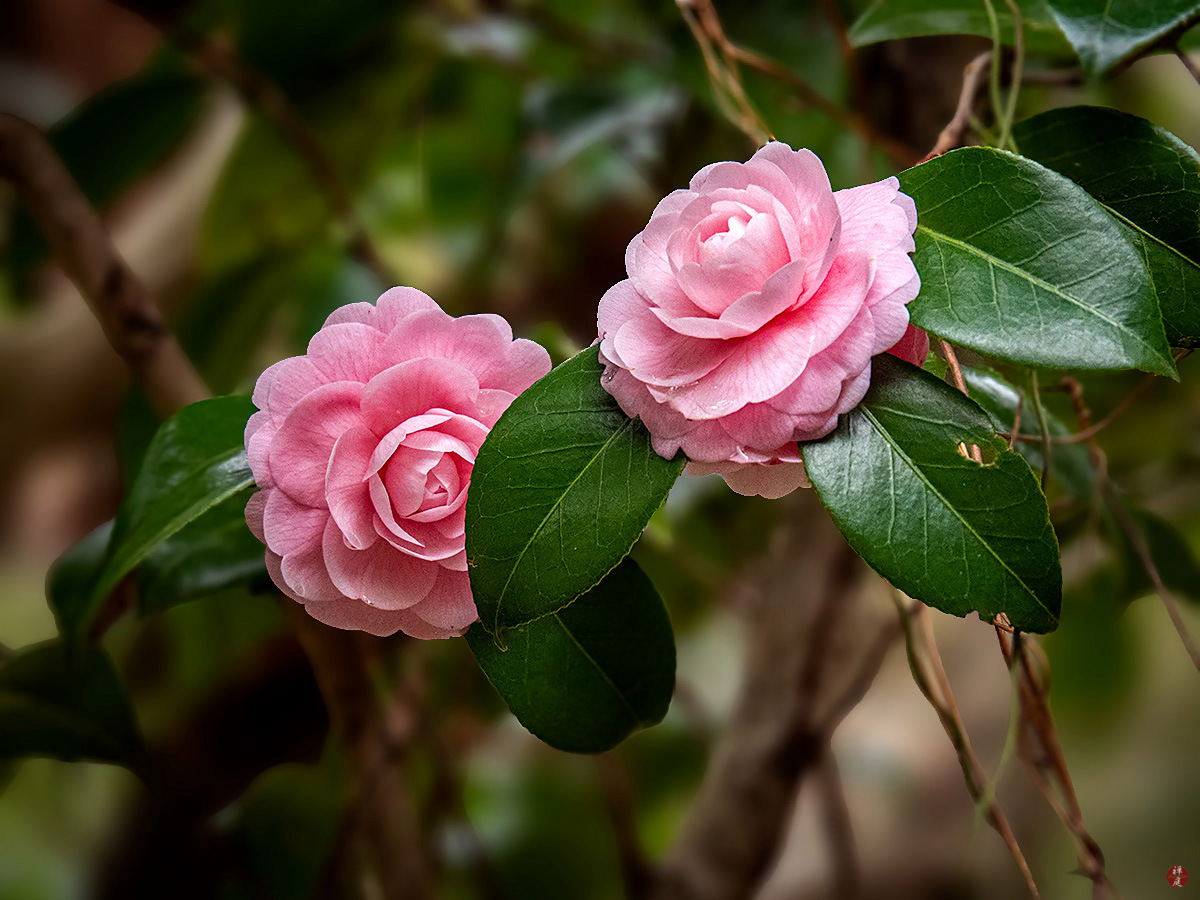
If there was no flower, how painful and sorrowful this world would become to us. Flowers may be the benevolent gifts which are presented by this universe so as to soothe our pains of existence.
In the abandoned bush on the hill behind this old Zen temple, I found these exquisite otome-tsubaki (otome camellia) flowers blooming modestly in shade.
The Japanese word "otome" means "a young lady" and this epithet seems to well express the tender and maidenly grace of this pale pink flower.
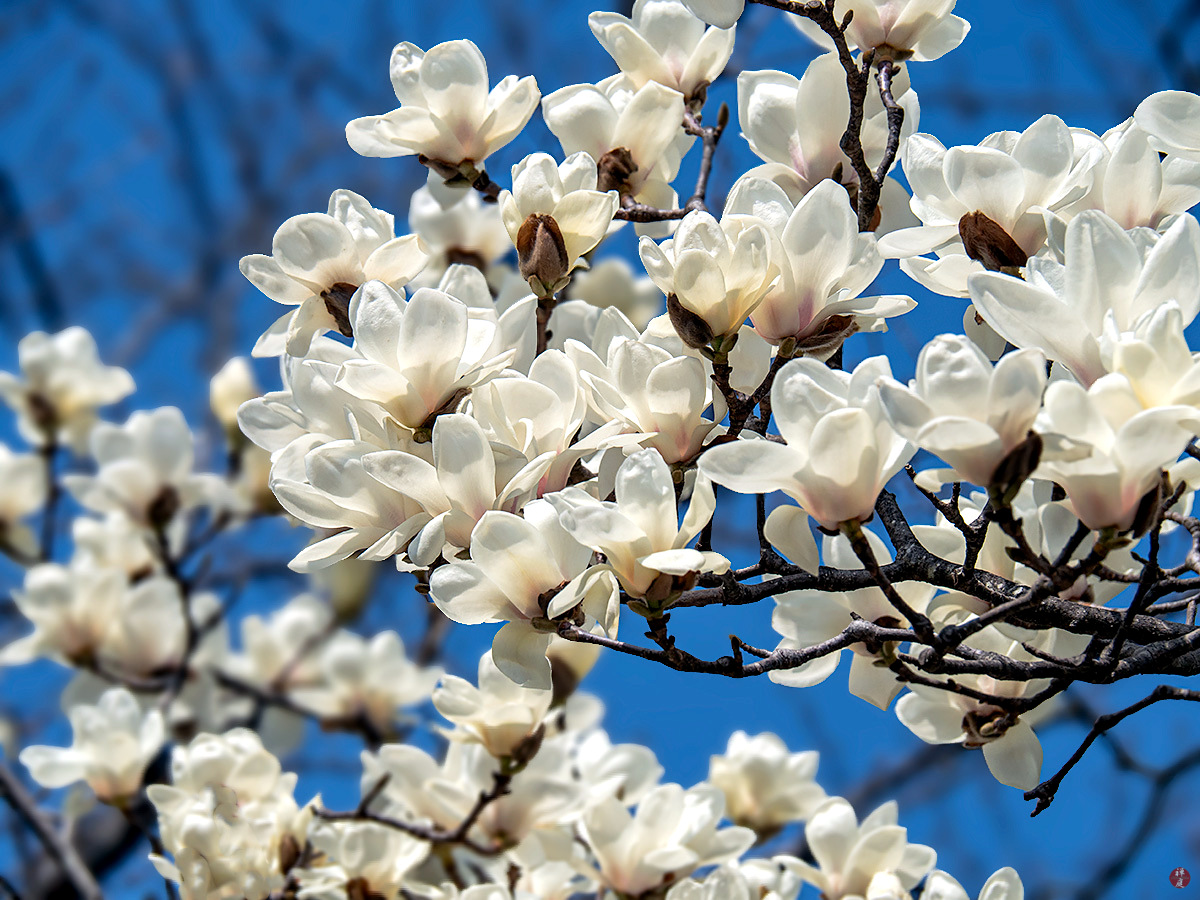
Haku-mokuren (Yulan magnolia) flowers: Engaku-ji

As if to indicate the evident progress of spring, the noble silky-white flowers of Haku-mokuren (white magnolia), which I have been waiting for, are beginning to bloom again this year.
It is said that this white magnolia tree was the gift presented by Chinese writer Lu Xun to this temple in 1933.
Lu Xun (1881-1936), who once stayed in Japan to study at Sendai Medical College, gifted the sapling of this tree as an expression of gratitude to a Zen monk of Engaku-ji Temple who had initiated him into Rinzai Zen in his life in Japan.
The white magnolia tree originates from China, where it is called "Gyokuran (white jade orchid tree)" and its fragrant flower is the city flower of Shanghai where Lu Xun spent the last years of his life.
The white magnolia tree grows to a height of 10 to 15 meters, and in spring, before its new leaves appear, it produces plenty of large, upward-facing white flowers which look like white lotus flowers in the air.
Spring garden: Jochi-ji

In the small humble garden where seasonal plants and trees grow as they naturally are, I found a flower assortment of yellow-mitsumata, white apricot, and pink peach, which represented the incoming of spring in Kita-kamakura.
The bright yellow flowers are yellow-mitsumata. Its bundles of cottony flower-buds sprout in the form of a tiny toy handball in the beginning of February, and keep growing quietly in the height of the harsh season.
Around the middle of March, as the warmth and sunlight of spring increase, these small yellow buds begin to bloom all together like dear children smiling joyfully and to emit a pleasant aroma, quietly heralding the arrival of long-expected spring.


Subscribe to:
Posts (Atom)