July 17, 2022

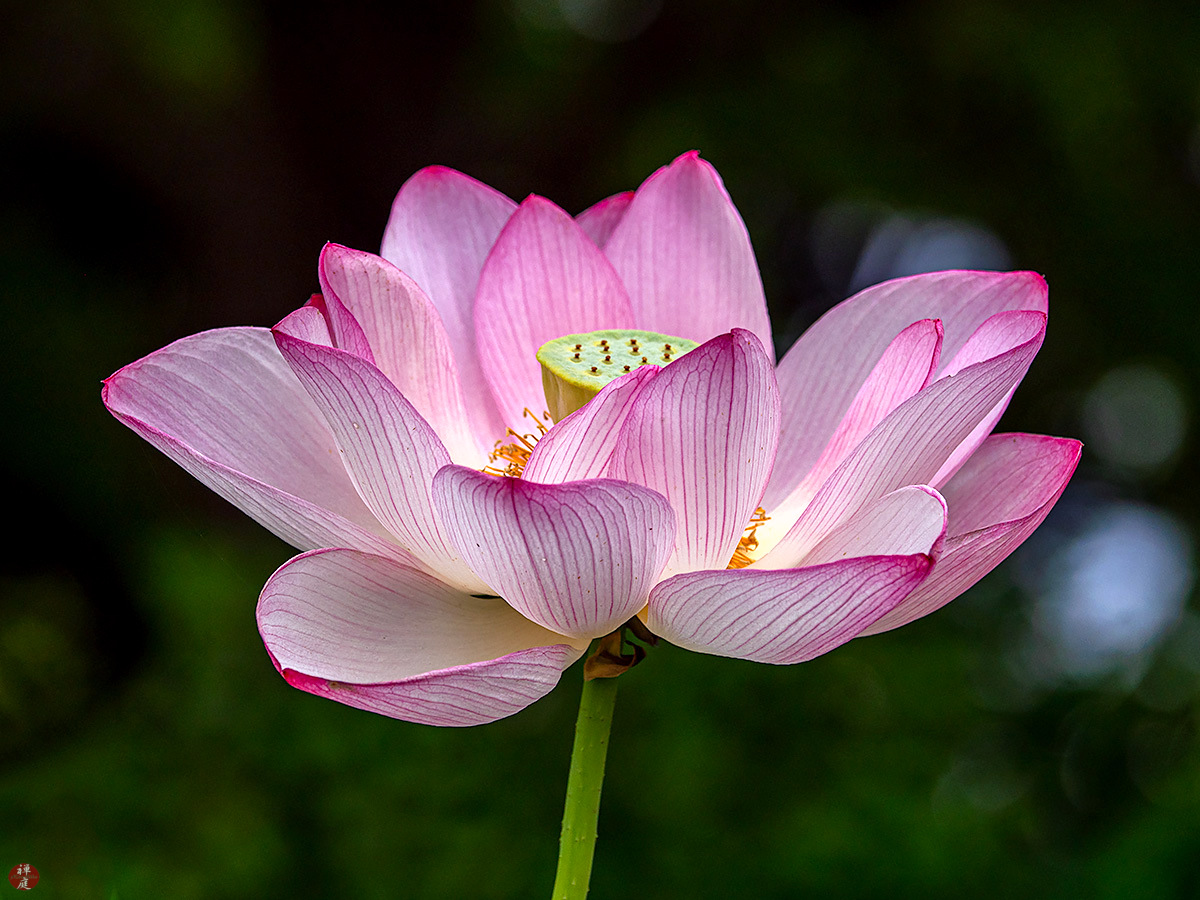
Sacred lotus flower: Ofuna Flower Center (Kamakura)

Sacred lotus flower: Ofuna Flower Center (Kamakura)


The large splendid flowers of sacred lotus are opening one after another and are announcing the arrival of dazzling summer with their gorgeous appearance and pleasant fragrance.

The various gentle flowers, that once bloomed so abundantly during the rainy season gone by, have already vanished into thin air completely, as if they were just the beautiful ephemeral illusions that I had under the gloomy sky.

In Japan, lotus flowers typically begin to bloom around mid-July. A lotus flower ordinarily has 16 petals, numerous short yellow stamens and a rounded yellow pistil. Pollen carried by beetles adheres onto the pistil, causing it to turn from yellow to brown and to bear many seeds.

This flower blooms early in the morning, closes in the evening and opens again the next morning. After repeating this cycle of opening and closing for four days, its elegant flower petals fall off one by one and the short life of the flower ends quietly.


Sacred lotus flowers: Ofuna Flower Center (Kamakura)

Sacred lotus flowers: Ofuna Flower Center (Kamakura)


It is said that, in ancient India, a sacred lotus flower was considered a symbol of good fortune, like purity, dignity, fertility, creativity, prosperity, longevity and so forth, because it stands up straight majestically from the midst of mud and blooms nobly without any dirt. 

When Buddhism emerged, this ancient imagery of lotus flowers was incorporated into Buddhist doctrines, and it has been treated to be the symbol of the supreme spirituality and wisdom of Buddha.

The design of a lotus flower was imported to Japan with the arrival of Buddhism and has been used as the flowery emblem of Buddha in all ritual implements and decorative objects of Buddhist culture, such as Buddhist images, religious ornaments of temples, ritual utensils, sutra scrolls, vestments, reliquary containers and so on.


Sacred lotus flower: Ofuna Flower Center (Kamakura)

Sacred lotus flower: Ofuna Flower Center (Kamakura)


In the Amitabha Sutra which describes the magnificence of the Pure Land (paradise) of Amitabha Nyorai, there is a golden wheel beneath his lotus throne and a pond of treasures under this golden wheel. The pond is covered with lotus flowers of various colors, which give off their heavenly and pure fragrances. The bottom of the pond is covered with golden sand and the places and buildings belonging to the pond are made of gold and cloisonne. 

Around this pond, exquisite music keeps sounding ceaselessly and various beautiful birds sing their songs gracefully. The chirping of the birds, the celestial music, and the sound of water represent the transcendental teachings of Amitabha Nyorai. 

The devout Buddhists, who have passed away and been reborn on the lotus-pedestals in this Pure Land, keep listening to these gracious teachings endlessly to attain supreme enlightenment.


Sacred lotus flower: Ofuna Flower Center (Kamakura)

Sacred lotus flower: Ofuna Flower Center (Kamakura)


Sacred lotus flowers: Ofuna Flower Center (Kamakura)

Sacred lotus flowers: Ofuna Flower Center (Kamakura)


In China, the lotus flower is said to appear nobly and purely in muddy water without being soiled by mud, and so it has been called the flower of a wise man who is untainted by worldly affairs. 

Since before the arrival of Buddhism in China in the 1st century, the lotus flower has been regarded as a sacred flower that is not tainted by worldly affairs. It is common to build lotus-ponds in temples, and the lotus flower has also become an essential part of ponds in Chinese-style gardens.

In China, the lotus flower viewing has been practiced since the 6th century. The lotus-viewing festival (Kanrensetsu), that is a day to celebrate the early morning blooming of lotus flowers in the height of summer, has been held by tradition. 

In a full-summer day, at summer resorts, elegant persons gather to enjoy the liquor of Hekitouhai cup while admiring the beautiful lotus flowers which have just bloomed early in the morning.

The Hekitouhai is a cup made from a large lotus leaf, into which liquor is poured and drunk through a cut opening in the stem of the leaf that looks like an elephant's nose. This lotus leaf cup is also called a Zoubihai (elephant's nose cup) because of its shape. 

It is said that the participants of the festival composed the songs and poems about their admiration and adoration for lotus flowers while watching the dewdrops of liquor rolling on the leaf.

This elegant Chinese celebration was introduced to Japan by Japanese scholars of Chinese classics in the Edo period (1603-1867), and it is said that the first lotus-viewing festival was held at Shinobazunoike Pond in Ueno, which was one of the most famous viewing spots of lotus flowers in the city of Edo. 


Sacred lotus flower: Ofuna Flower Center (Kamakura)

Sacred lotus flowers: Ofuna Flower Center (Kamakura)


Sacred lotus flowers: Ofuna Flower Center (Kamakura)

Sacred lotus flowers: Ofuna Flower Center (Kamakura)


Sacred lotus flowers: Ofuna Flower Center (Kamakura)

Sacred lotus flower: Ofuna Flower Center (Kamakura)


Sacred lotus flowers: Ofuna Flower Center (Kamakura)

Sacred lotus flowers: Ofuna Flower Center (Kamakura)


Sacred lotus flower: Ofuna Flower Center (Kamakura)

Sacred lotus flower: Ofuna Flower Center (Kamakura)


Sacred lotus flower: Ofuna Flower Center (Kamakura)

Sacred lotus flower: Ofuna Flower Center (Kamakura)


Sacred lotus flower: Ofuna Flower Center (Kamakura)

Sacred lotus flower: Ofuna Flower Center (Kamakura)


Sacred lotus flower: Ofuna Flower Center (Kamakura)

Sacred lotus flower: Ofuna Flower Center (Kamakura)


Sacred lotus flower: Ofuna Flower Center (Kamakura)

Sacred lotus flower: Ofuna Flower Center (Kamakura)


Sacred lotus flower: Ofuna Flower Center (Kamakura)

Sacred lotus flower: Ofuna Flower Center (Kamakura)


Sacred lotus flower: Ofuna Flower Center (Kamakura)

Sacred lotus flower: Ofuna Flower Center (Kamakura)


Sacred lotus flower: Ofuna Flower Center (Kamakura)

Sacred lotus flower: Ofuna Flower Center


June 30, 2022

Ayame (iris) flowers: Kaizo-ji

Ayame (iris) flowers: Kaizo-ji


Noticing the approach of the rainy season, the dainty flowers of iris, which seem to be made of thin pale silks having purple stripes, are beginning to bloom gracefully in the tranquil garden as if to expect the imminent arrival of merciful summer rains.

The lively chirps of lesser-cuckoo, which are the summer migratory birds having just arrived here from India and China, are heard distantly as the gentle declaration of the seasonal change.

The fragile and watery petals of these silky flowers will dry and droop before the evening of this day, without being able to wait for the quiet rainy night patiently.


Ayame (iris) flowers: Kaizo-ji

Ayame (iris) flowers: Kaizo-ji


In Japan, especially during the Edo period (1603-1868) which was a very long period  (265 years) of national stability and peace, gardening and horticulture greatly flourished and were high in favour with the public.  

Samurais of those days learned horticulture and gardening eagerly as their spiritual self-discipline and artistic accomplishments along with the swordsmanship and the manners of tea ceremony. 

The ordinary people of that time also enjoyed horticulture and gardening in their home gardens and back alleys and enthusiastically went to see various seasonal flowers at the famous spots of flower-viewing as depicted in various Ukiyo-e paintings.

The various garden species of peonies, irises, chrysanthemums, morning glories, lilies and so forth were produced by selective breeding. Although many of these plants were native to China, the iris is an indigenous plant of Japan and its improved varieties have been uniquely developed in Japan. 


Ayame (iris) flowers: Kaizo-ji

Ayame (iris) flowers: Kaizo-ji


Ajisai (hydrangea) and Yuri (lily) flowers: Eisho-ji

Ajisai (hydrangea) and Yuri (lily) flowers: Eisho-ji


In the peaceful garden of the old nunnery temple, the star-shaped blue flowers of the hydrangea and the graceful red lily flowers are blooming secretly in the obscure corner.

The exquisite assortment of these flowers looks like a seasonal flower arrangement which splendidly symbolizes the approaching of the summer rainy season.

Sometimes I faintly feel the presence of an unseen noble nun in the fragrance of incense remaining in the empty Buddha hall of this temple. I imagine that these seasonal flowers might have been arranged stealthily by the gentle soul of that nun. 


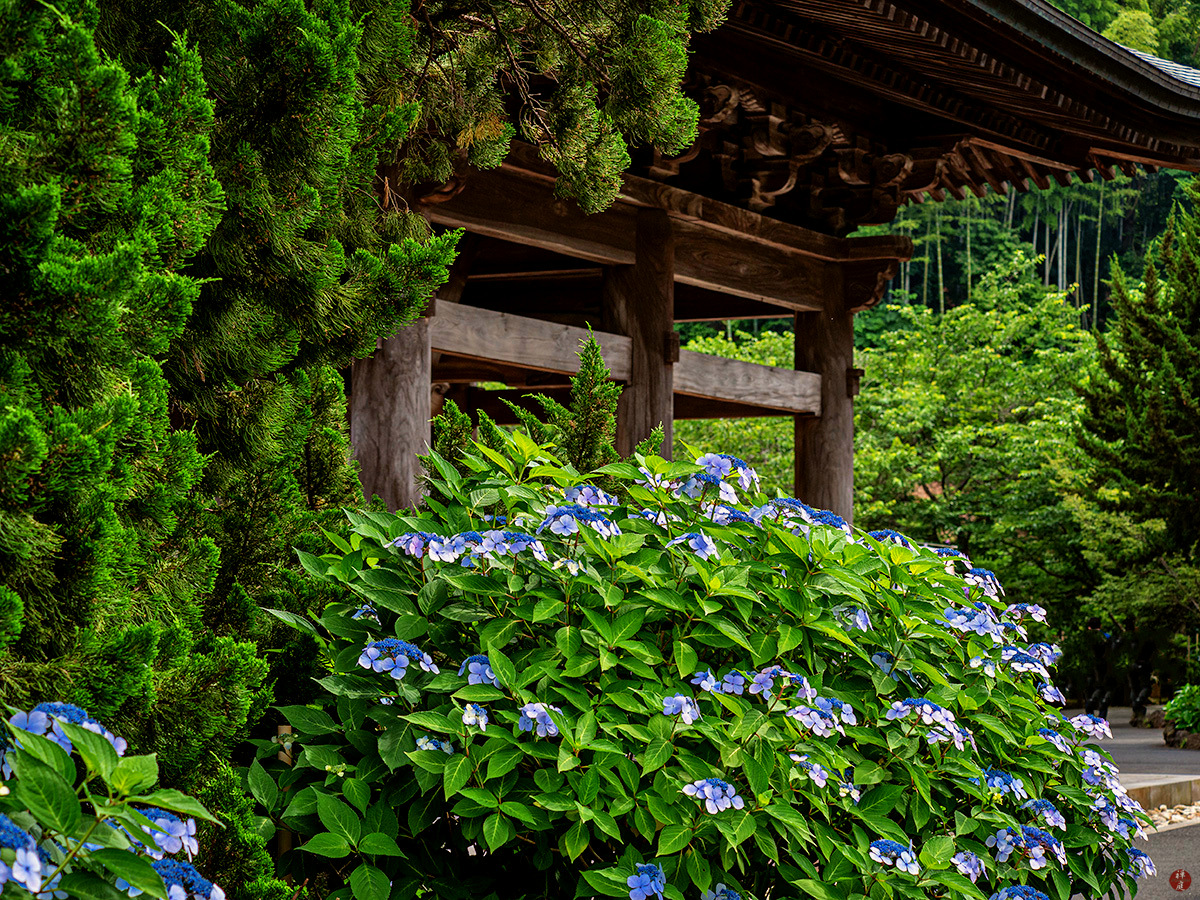
Ajisai (hydrangea) flowers: Kencho-ji

Ajisai (hydrangea) flowers: Kencho-ji


The excellence of Ajisai (hydrangea) flowers is that, from their opening to the time they wither and die, their colors and shapes change successively as if they had their own will to alter their appearances.

For example, the flowers that have just started blooming become yellowish in color, then change color to pale yellow-green, then turn blue, then red, and finally end up in rusty green before falling, in accordance with the progress of the time and the chemistry of soil and rainwater.

I never know the reason why Ajisai flowers continue to transform themselves magically. Perhaps their ever-changing appearance might excite the aesthetic curiosity of the pollinating insects. However, there is no doubt that this beautiful wonder of nature can delight the human eyes during the gloomy rainy season.


Ajisai (hydrangea) flowers: Kencho-ji

Ajisai (hydrangea) flowers: Kencho-ji


Ajisai (hydrangea) flowers: Eisho-ji

Ajisai (hydrangea) flowers: Eisho-ji


Ajisai (hydrangea) flowers: Kencho-ji

Ajisai (hydrangea) flowers: Kencho-ji