
June 30, 2022


June 8, 2022
Suiren (water lily) flower: Kita-kamakura
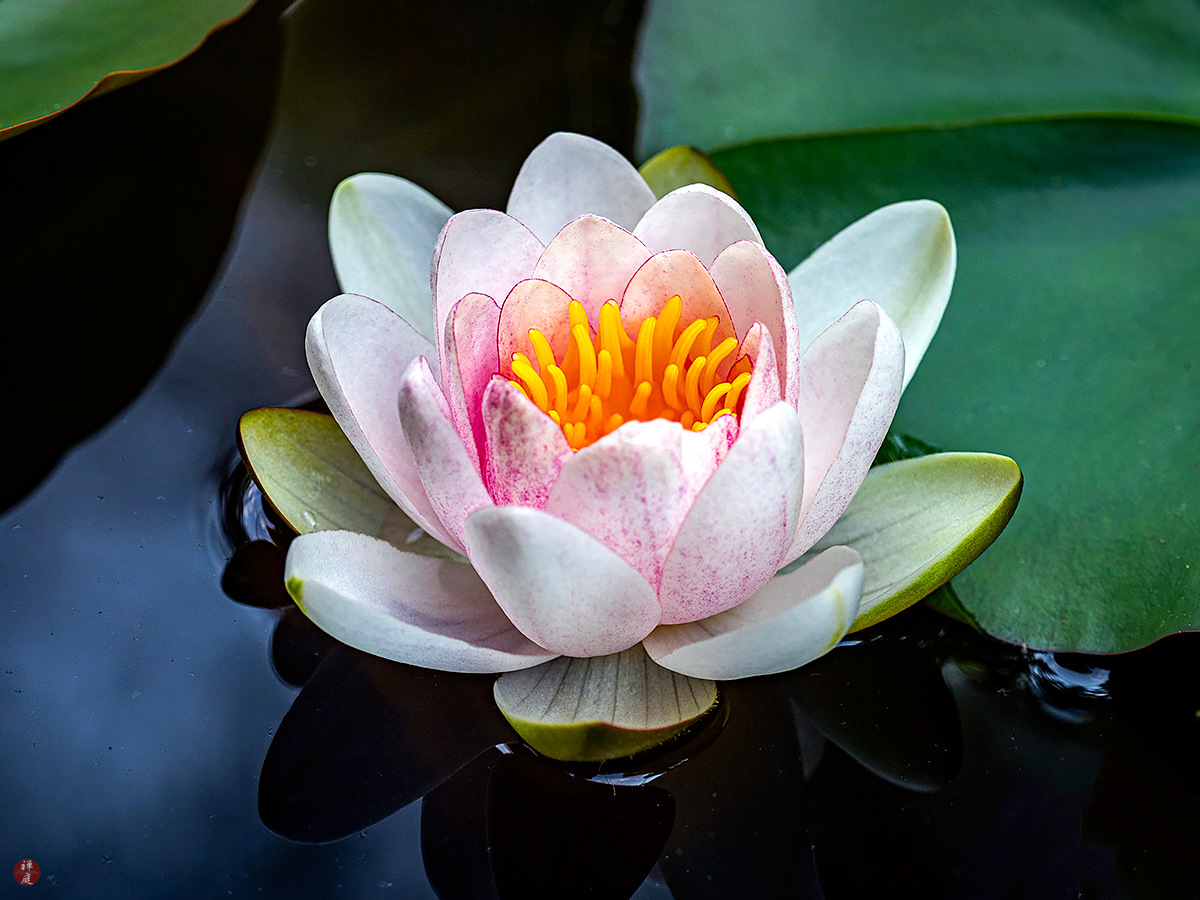
The long-awaited flower of Suiren has just bloomed in my small water-lily basin after its tiny flower-bud stealthily appeared above the water surface a day or two ago.
The Japanese name "Suiren" means the lotus flower that falls asleep. This flower opens as if to be awakened by the rise of temperature in the morning sun and closes as if to fall asleep as the temperature drops in the late afternoon, while changing its size and hue slightly each day. After repeating this process of opening and closing for four days, it exhausts its life-span quietly.
Spring is the season of full blossom. One after another, various plants and trees open their colorful flowers for their yearly pollination and reproduction.
For flowering, they must exert all the vital energy that they have stored during the year. Each flower blooms for just a short while, and, when it has fulfilled its duty, it fades away without any hesitation.
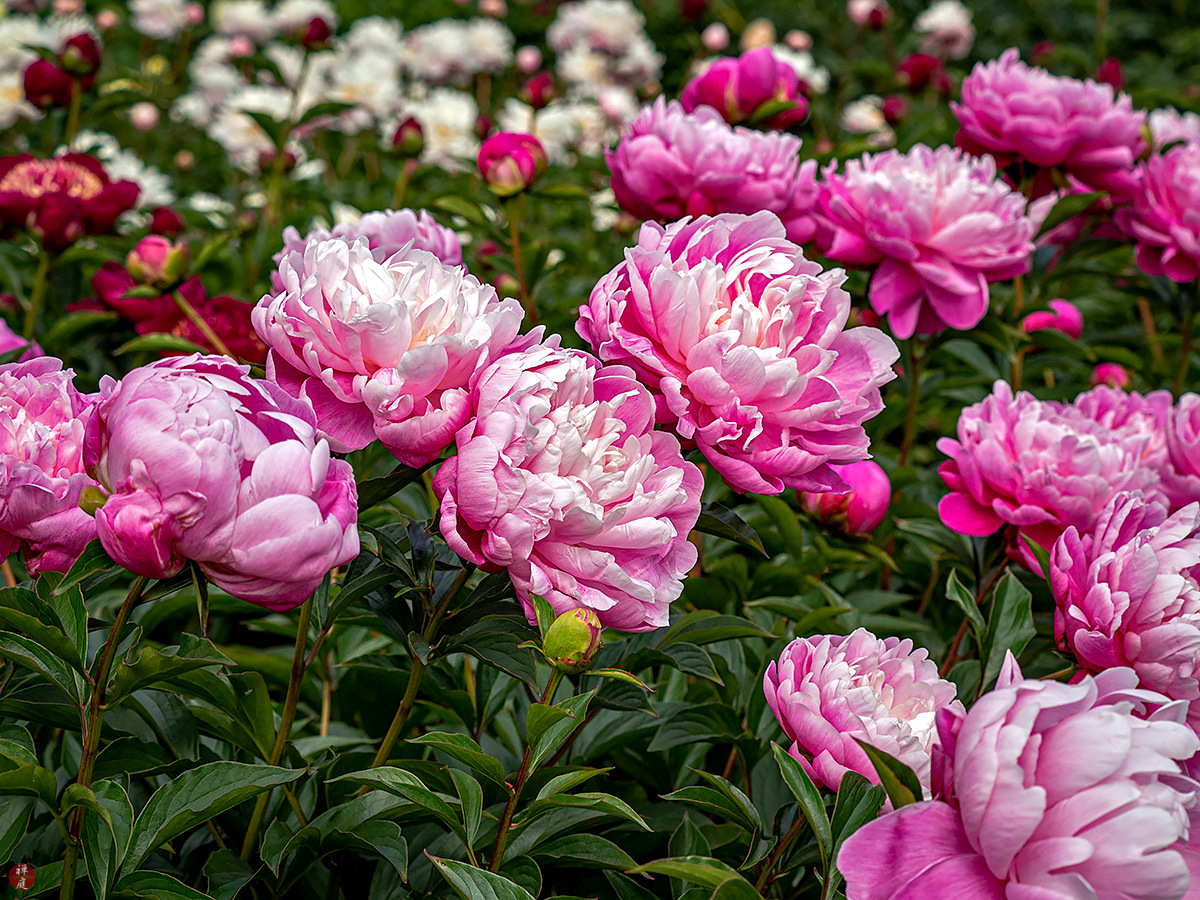
Skakuyaku (Paeonia lactiflora) flowers: Ofuna flower center (Kamakura)

Bathed in the dazzling sunlight from the bright sky, various Shakuyaku (Chinese-peony) flowers are blooming magnificently in the garden as if to wholeheartedly exhibit their genuine joy of flowering.
The glossy green leaves, which begin growing thick in preparation for the arrival of summer, seem to silently praise the divine blessings of nature in this flowery season.
At the National Museum of Western Art of Tokyo, I have seen Monet's painting (Peony Garden, 1887) of the gorgeous Chinese-peony flowers blooming in his garden at Giverny. The peony plants which Monet grew there were the gifts of friendship from a Japanese couple who were close friends of this great painter.
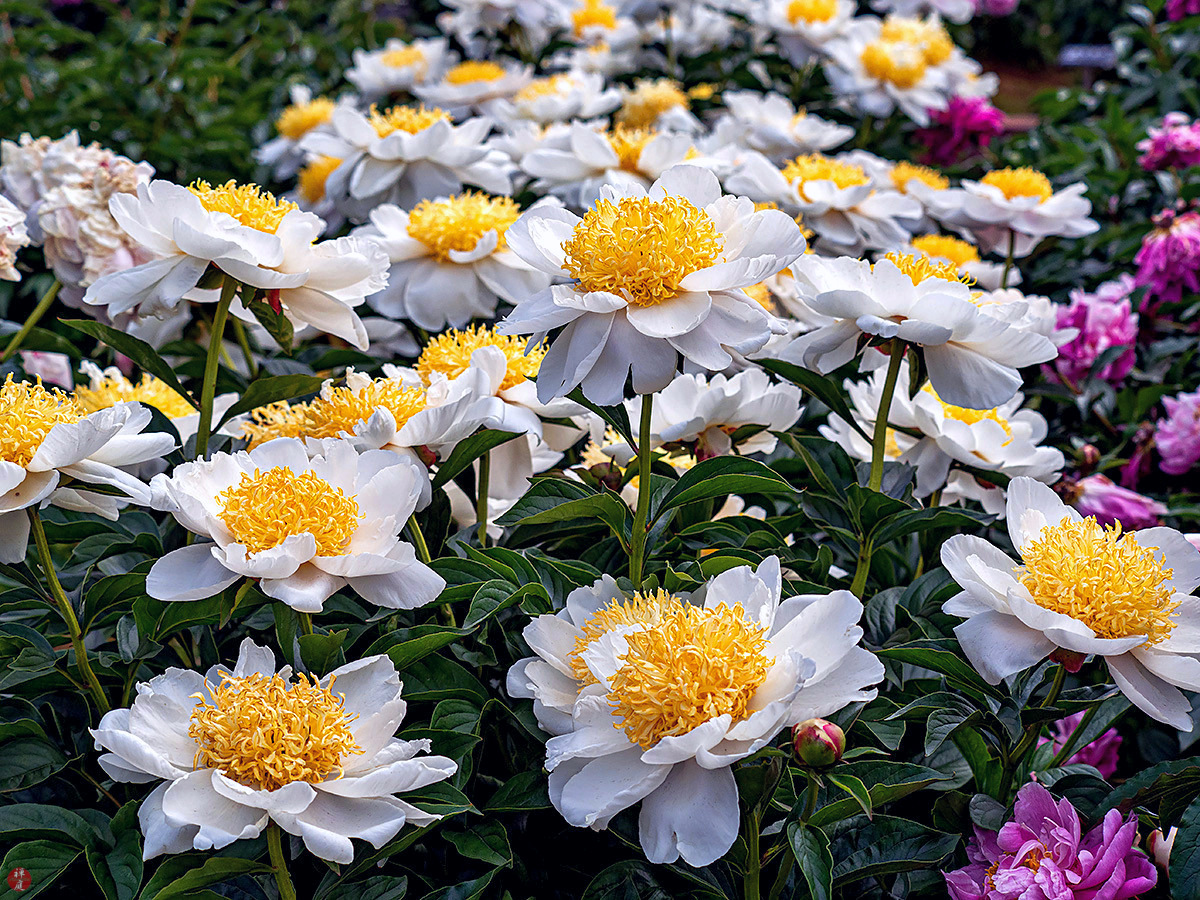
Skakuyaku (Paeonia lactiflora) flowers: Ofuna flower center (Kamakura)

It is said that many garden varieties of it were selectively bred during the Edo period (1603-1868). It is one of the plants whose flowers have been treasured by the Japanese as the typical spring flowers displayed in a tea room.
At the Agricultural Research Center, which was the predecessor of this botanical garden, from the end of the Meiji period (1868-1912) to the beginning of the Showa period (1926-1989), Shakuyaku varieties were studied and improved for their characteristics that would give pleasure to European customers, with the aim of exporting them to Europe where the Japonism was popular at that time.


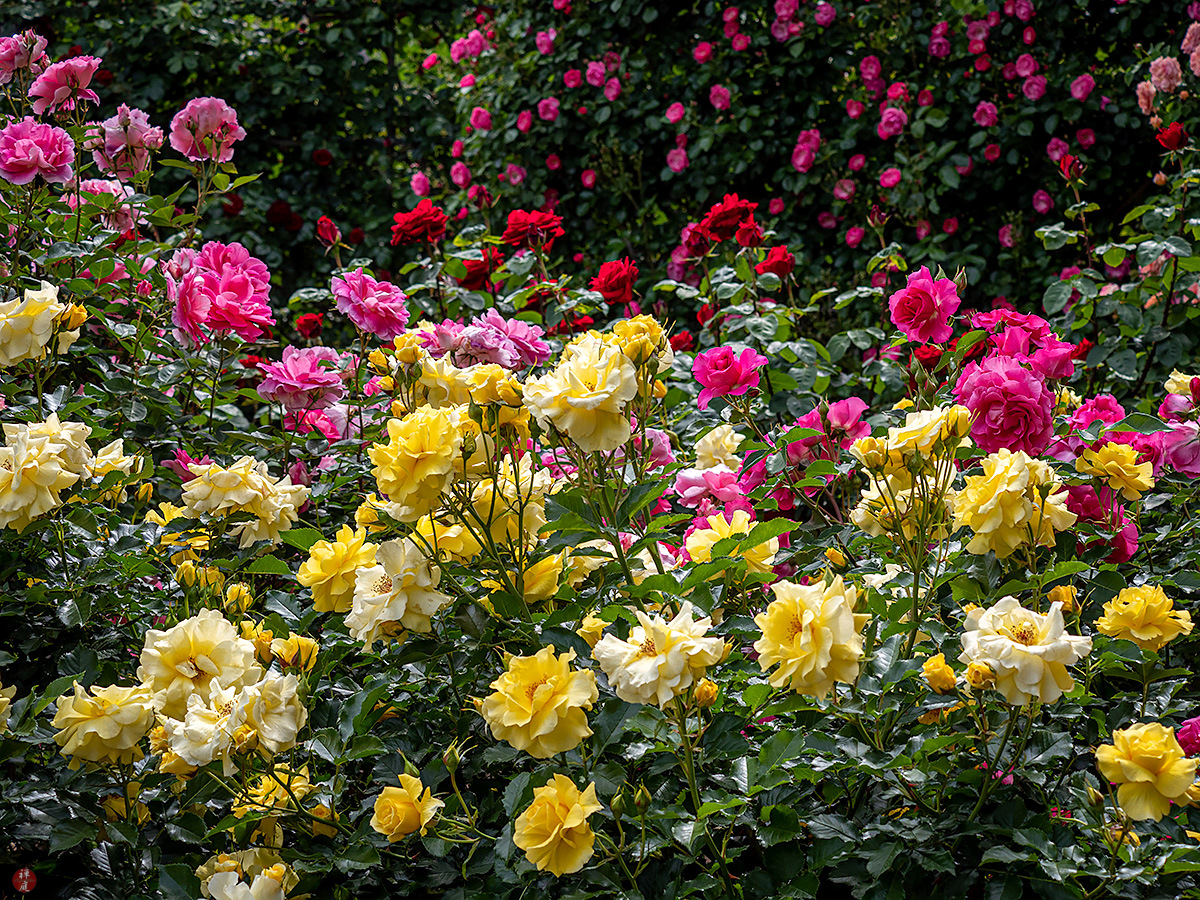
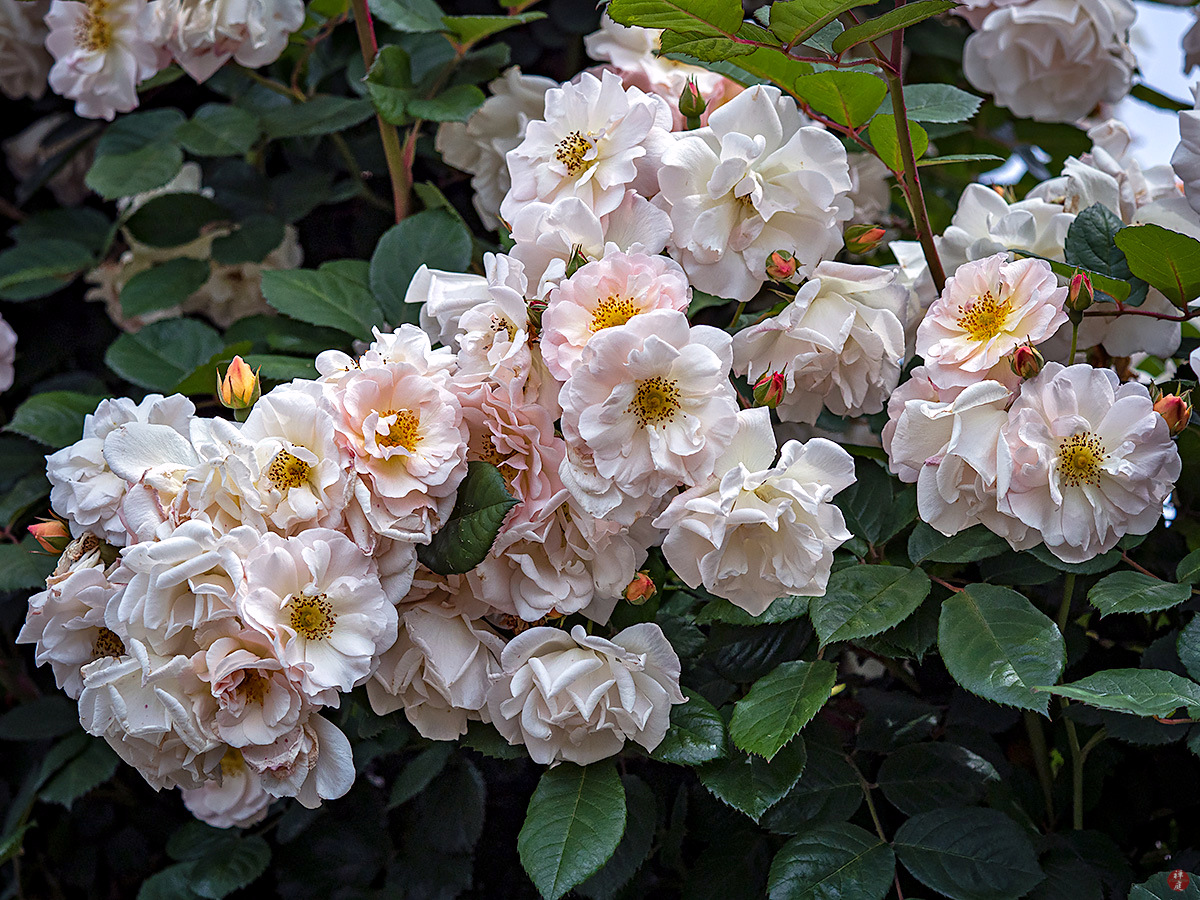
Rose garden: Ofuna flower center (Kamakura)

The endless human desire to appreciate gorgeous flowers has brought about various forms of selective breeding over a long period of time. Through the persistent efforts of horticulturists, the colors and shapes of flowers have been altered variously, and many garden flowers have strayed from the original reproductive organs of plants.
Many ornamental plants, such as a garden variety of roses, have lost their reproductive capacity and do not reproduce themselves without the propagation by human hands.
For humans, the improved flowers of garden plants are attractive, but I cannot but feel something sorrowful behind their pleasant appearance even if they are blooming in all their glory under the bright blue sky of late spring.





Subscribe to:
Posts (Atom)