July 30, 2020

Sacred lotus flower: Kencho-ji

Sacred lotus flower: Kencho-ji


The lotus is an ancient and primitive plant that has survived on the earth so long that its fossils have been found in many places. 

The species of plant ancestral to modern lotus plants is said to have appeared on the earth in the Cretaceous Period, about 100 million years ago, when dinosaurs were ruling over this planet earth. 

It is characteristic of primitive flowers that they have a very large number of petals, stamens, and pistils. 

During the evolution of the lotus flower, the stigma of this flower had been flattened to make it easier for scarab beetles to move around on it, as they are the leading insects responsible for the pollination of this mystic ancient flower.


Sacred lotus flowers: Kencho-ji

Sacred lotus flowers: Kencho-ji


The white flowers and deep green leaves of sacred lotus are tranquilly rising from the lotus bowls beside the black lacquered Chokusi-mon (imperial envoy gate) decorated with the gilded auspicious ornaments.

In Buddhist culture, the sacred lotus flower, which emerges beautifully from the midst of dark mud, is said to symbolize the great enlightenment of Buddha. 

According to the Kegon-kyo (the Flower Garland Sutra), Rushana-butsu (the central deity coming from the sun) sits atop the stigma of a lotus flower and keeps illuminating the whole universe with the pure light of his great wisdom and compassion.


Sacred lotus flower: Komyo-ji (Zushi)

Sacred lotus flower: Komyo-ji (Zushi)

Sacred lotus flower: Tsurugaoka-hachimangu

Sacred lotus flower: Tsurugaoka-hachimangu

Yama-yuri (Lilium auratum) flowers: Kencho-ji

Yama-yuri (Lilium auratum) flowers: Kencho-ji

Kanoko-yuri (Lilium speciosum) flowers: Tsurugaoka-hachimangu

Kanoko-yuri (Lilium speciosum) flowers: Tsurugaoka-hachimangu

Nouzen-kazura (Campsis grandiflora) flowers: Kaizo-ji

Nouzen-kazura (Campsis grandiflora) flowers: Kaizo-ji

Sacred lotus flowers: Tsurugaoka-hachimangu

Sacred lotus flowers: Tsurugaoka-hachimangu

Sacred lotus flower: Tsurugaoka-hachimangu

Sacred lotus flower: Tsurugaoka-hachimangu

Water lily flowers: Kaizo-ji

Water lily flowers: Kaizo-ji

June 30, 2020

Ajisai (Hydrangea) flowers: Kaizo-ji

Ajisai (Hydrangea) flowers: Kaizo-ji


Beyond the small bell tower, colorful flowers are blooming splendidly among the dense green leaves in the variable sun of June.

This scene of exquisite colors reminds me of an impressionist painting of a summer garden mounted in a wooden frame.

Ajisai flowers constantly change their colors due to the hidden chemistry between pigments, sunlight, rain, and soil. Such hurried transition of colors is called ”Shichi-henge (seven changes)" after the Kabuki dance in which a leading actor quickly changes his clothes seven times.

Though I never know the reasons why Ajisai flowers need to change their colors so quickly, this rapid color variation makes me feel the wonders of nature and the swift passage of time under the rainy sky.


Ajisai (Hydrangea) flowers: Kencho-ji

Ajisai (Hydrangea) flowers: Kencho-ji


By the side of the stone monument on which "Kanzan Jittoku-zu" (the picture of Kanzan and Jittoku) is engraved, the magenta and blue flowers of Ajisai were quietly blooming in the shade of trees, waiting for the next rain.

This stone monument was given to Kencho-ji temple by Kanzan-ji Temple (Han-shan-si, Suzhou, China) as a token of the cultural exchange of Rinzai Zen Sect between China and Japan and is a replica of the original monument of Kanzan-ji temple of China.

Kanzan and Jittoku are legendary Chinese Zen-monks who are often drawn as a subject of Zenga (Zen Buddhist paintings) in China and Japan.

Standing alone in the silent grove behind the temple, I felt like I was hearing the roars of laughter from these eccentric Zen-monks, which were vibrating through eternity.


Ajisai (Hydrangea) flowers: Engaku-ji

Ajisai (Hydrangea) flowers: Engaku-ji


Together with the vivid green leaves of summer, the sky-blue and pale purple flowers of hydrangea are catching the dazzling sunlight that comes from the precious sunny sky in the gray rainy season.

At a distance from these graceful flowers, there is the Chinese-styled gable of the imperial envoy gate in sight.


Ajisai (Hydrangea) flowers: Chojyu-ji

Ajisai (Hydrangea) flowers: Chojyu-ji


A colorful assortment of Ajisai flowers is blooming along the quiet hill road.

The freshness and splendor of these flowers are reaching their best just now thanks to the blessings of nature from this wet season.

As summer deepens and the bright blue sky appears dominantly, these moist flowers gradually dry out, subtly losing their delicate pastel colors.


Ajisai (Hydrangea) flowers: Jyochi-ji

Ajisai (Hydrangea) flowers: Jyochi-ji

Ajisai (Hydrangea) flowers: Engaku-ji

Ajisai (Hydrangea) flowers: Engaku-ji

Ajisai (Hydrangea) flowers: Engaku-ji

Ajisai (Hydrangea) flowers: Engaku-ji

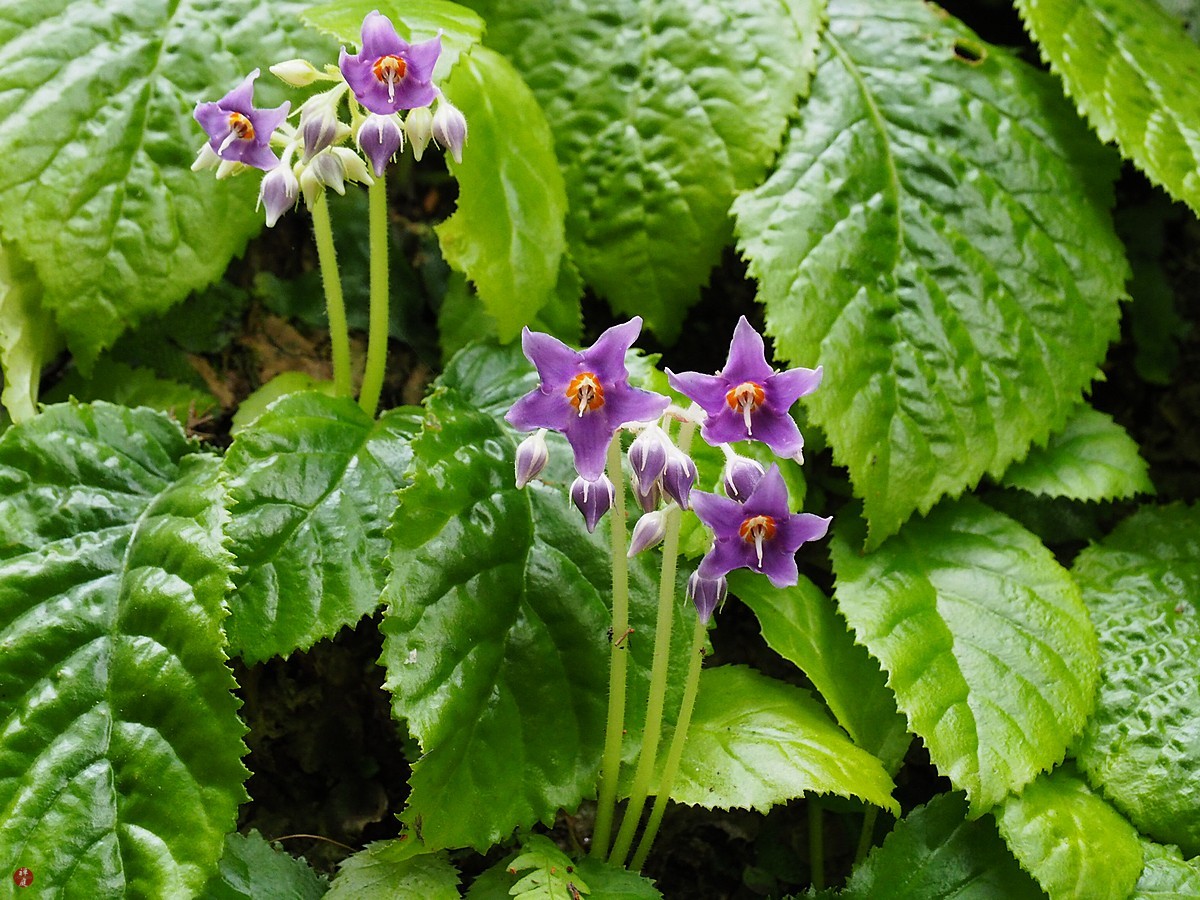
Iwa-tabako (Conandron ramondioides) flowers: Tokei-ji

Iwa-tabako (Conandron ramondioides) flowers: Tokei-ji

Ajisai (Hydrangea) flowers: Kaizo-ji

Ajisai (Hydrangea) flowers: Kaizo-ji

Hana-shobu (Iris ensata var. ensata) flowers: Kaizo-ji

Hana-shobu (Iris ensata var. ensata) flowers: Kaizo-ji

Hana-shobu (Iris ensata var. ensata) flowers: Kaizo-ji

Hana-shobu (Iris ensata var. ensata) flowers: Kaizo-ji

Ajisai (Hydrangea) flowers: Chojyu-ji

Ajisai (Hydrangea) flowers: Chojyu-ji

Ajisai (Hydrangea) flowers: Kencho-ji


Ajisai (Hydrangea) flowers: Kita-kamakura

Ajisai (Hydrangea) flowers: Kita-kamakura

Ajisai (Hydrangea) flowers: Kencho-ji


Ajisai (Hydrangea) flowers: Kencho-ji